Introduction to Renaissance Costumes
Renaissance costumes are a reflection of the cultural revival during the 14th to 17th centuries. This era emphasized art, individuality, and a renewed interest in classical ideals. Clothing played a crucial role in expressing these changes.
Historical context and significance
The Renaissance was a cultural rebirth after the Middle Ages. It began in Italy and spread throughout Europe. During this time, fashion displayed wealth, status, and taste. Clothing was more than utility; it became a form of artistic expression. Rich fabrics like velvet, silk, and brocade showcased the prosperity of individuals. Detailed embroidery and elaborate designs symbolized power and wealth. Nobles and royals followed strict fashion trends to assert their position in society.
Renaissance costumes also reflected the advancements in art and craftsmanship of the time. Tailors and designers experimented with innovative techniques and patterns. This period marked a departure from the simplistic styles of medieval times. People wore outfits to align with cultural changes and display individuality.
Influences of Renaissance fashion on modern attire
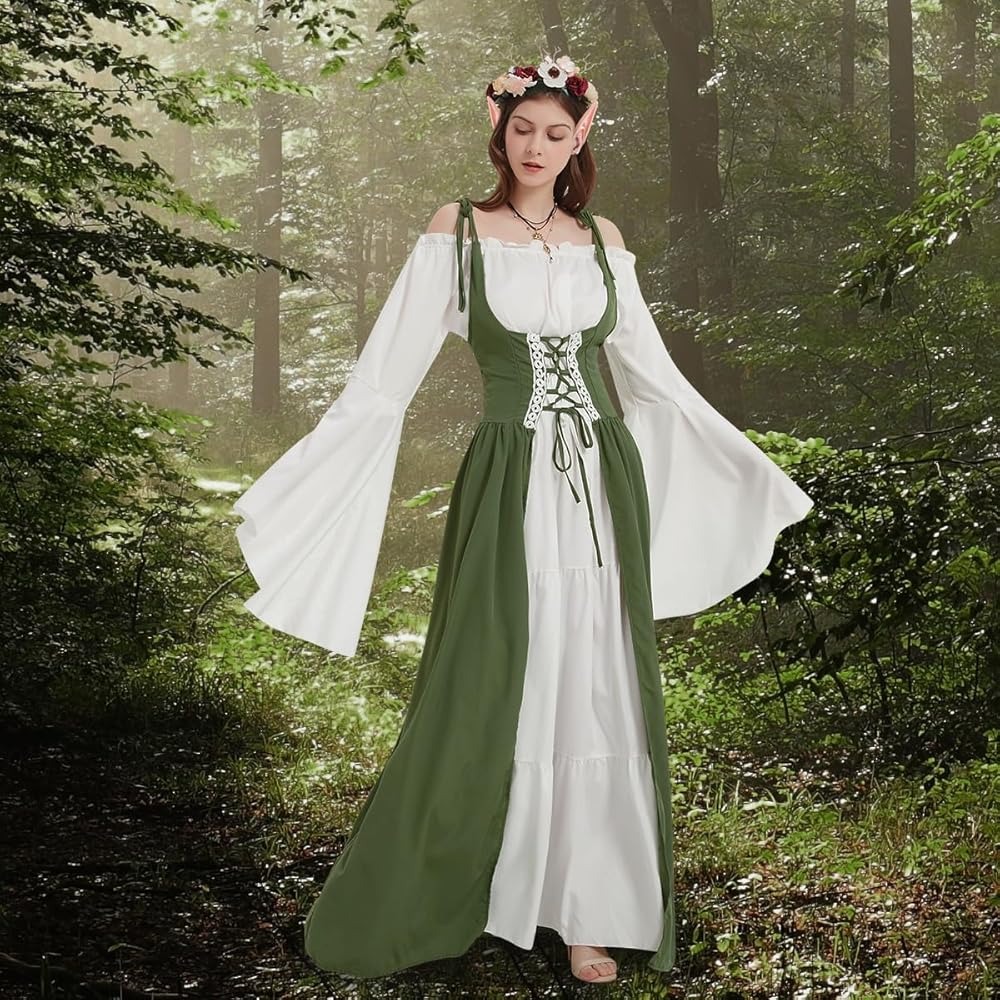
Renaissance fashion has continued to inspire contemporary clothing. Designers often reference the intricate details, patterns, and luxurious fabrics of this era. For example, puffed sleeves, corsets, and ruffled collars are popular today.
Modern evening gowns mimic Renaissance silhouettes with rich textures like velvet and silk. Layered outfits and tailored garments trace back to Renaissance tailoring techniques. Even the concept of seasonal fashion collections draws inspiration from Renaissance trends.
Renaissance fairs today celebrate the enduring appeal of this iconic fashion period. People wear historically inspired costumes to connect with the past and embrace creativity. The timeless elegance of Renaissance attire continues to shape and influence fashion across the world.
Key Elements of Renaissance Clothing
Renaissance clothing was renowned for its elaborate designs and luxurious quality. The era’s commitment to art and individuality was mirrored in every garment. The key elements of such clothing revolved around its materials, fabrics, colors, patterns, and distinctive styles that defined this historical period.
Materials and fabrics used in Renaissance costumes
The materials used during the Renaissance were essential in reflecting one’s social status and wealth. Rich fabrics like silk, velvet, and brocade were reserved for the elite. These fabrics boasted vibrant colors and intricate textures, showcasing prosperity and refinement. Wool and linen were popular among the working class due to their affordability and durability.
Natural fibers were most common during the Renaissance. Cotton, though scarce, gained popularity as global trade expanded. Embroidery and gold thread added elegance and depicted the wearer’s affluence. Innovations in textile production brought high-quality fabrics to the forefront of Renaissance fashion.
Colors and patterns in Renaissance fashion
Colors played a vital role in distinguishing social ranks and personal taste. Bright colors such as crimson, gold, and deep blue marked wealth and nobility. Dyes were expensive, with items like saffron and indigo intensifying fabric hues. Lower classes used dull brown and gray tones, while wealthier individuals favored bold, vibrant colors.
Patterns added beauty and uniqueness to Renaissance clothing. Floral designs, geometric shapes, and striped motifs were common. Intricate embroidery adorned garments, providing complexity and artistic flair. Patterns were often combined with rich materials to create stunning garments that stood out.

Popular clothing styles during the Renaissance
Renaissance fashion was filled with distinctive styles that identified the era. Men’s clothing often included doublets, jerkin coats, and hose. Women’s dresses featured fitted bodices and full skirts, emphasizing elegance. Puffed sleeves and ruffled collars were iconic elements of this style.
Layering was a hallmark of Renaissance fashion. People combined chemises, vests, and outer garments for a structured look. Accessories like belts, sashes, and decorative pins enhanced the overall appearance. The styles varied from region to region, reflecting local culture and traditions.
Renaissance clothing showcased individuality, cultural pride, and artistic expression. These elements remain timeless and continue to inspire designers and fashion enthusiasts today.
Gender-specific Renaissance Wear
Renaissance costumes varied based on gender, reflecting societal roles and fashion trends of the era. Women’s, men’s, and children’s clothing were designed to showcase individuality, status, and elegance.
Men’s Renaissance attire
Men’s clothing during the Renaissance emphasized structure and detail. Doublets, close-fitting jackets, were staples of men’s attire. They often featured padded shoulders and intricate embroidery. Hose or tight-fitting trousers were worn with doublets to create a polished look.
Men layered garments for a sophisticated appearance. Shirts made of linen served as a base layer. Over these, they wore jerkins or sleeveless coats made of leather or fabric. Cloaks draped over the shoulders added an element of grandeur.
Accessories such as belts, sashes, and hats completed the outfit. Hats came in various styles, from flat caps to feathered designs. Jewelry, including rings and brooches, indicated wealth and status. Fabrics like velvet and silk were popular among wealthy men, while the lower classes opted for wool or coarse linen.
Women’s Renaissance dresses and accessories
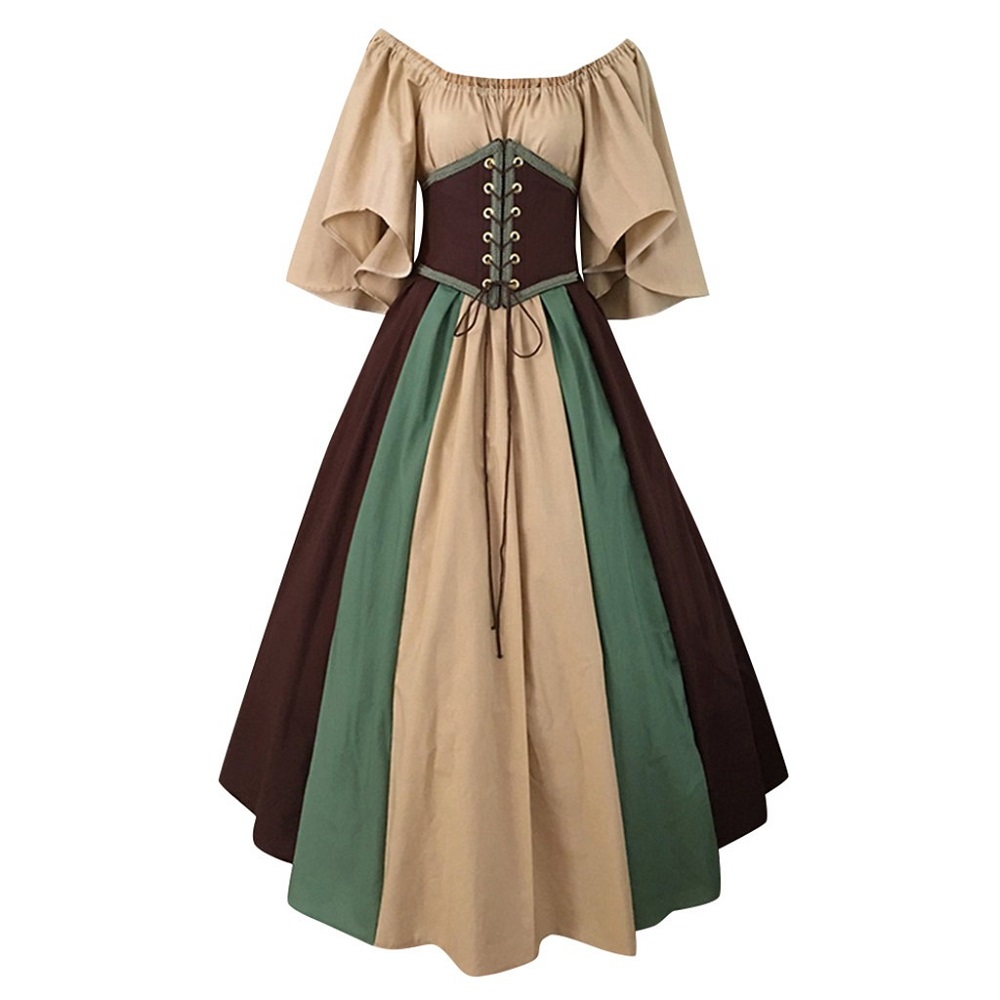
Women’s attire during the Renaissance highlighted elegance and femininity. Dresses featured fitted bodices and floor-length skirts. Corsets were worn to create a defined silhouette. Sleeves were often puffed or embellished with lace.
Gowns were layered, starting with a chemise and ending with an overskirt. Rich fabrics like brocade, silk, and velvet exhibited opulence. Bright colors symbolizing wealth, such as crimson and gold, were widely used.
Accessories were crucial for women’s outfits. Decorative collars, sashes, and jewels adorned many dresses. Pearl necklaces, earrings, and tiaras enhanced the look. Gloves added sophistication, while embroidered handbags carried small items. Women also wore elaborate headdresses or veils, often decorated with pearls or lace.

Children’s costumes during the Renaissance period
Children’s clothing during the Renaissance mirrored adult styles but was less elaborate. Boys wore attire resembling men’s clothing, including doublets and hose. Tunics served as a simpler option for younger boys.
Girls wore gowns matching adult designs, featuring fitted bodices and full skirts. Chemises were used beneath the dresses. Accessories for children included small hats, belts, and decorative trims.
Children’s outfits were made of wool, linen, or cotton, depending on the family’s social status. Wealthier families adorned their children’s clothing with embroidery and vibrant colors. Practicality often influenced the design, ensuring comfort and flexibility for active play and movement.
Social Status and Renaissance Clothing
Renaissance clothing was more than a mere necessity. It represented social class, wealth, and power.
Clothing during the Renaissance varied greatly by social status. The wealthy wore luxurious fabrics like silk and velvet. Nobles dressed in brocade adorned with intricate embroidery and gold thread.
The middle class preferred wool and moderately expensive clothes. These garments were simpler but still stylish. They often included linen shirts and sturdy outerwear.
Among the lower class, practicality was key. Wool and linen dominated their attire. Plain designs and muted colors reflected their modest means. Rarely did their garments have embroidery or vibrant dyes.
Accessories also highlighted social class. Nobles wore expensive jewelry, sashes, and elaborate hats. The lower class stuck to basic items, often handmade and inexpensive.
Social status significantly influenced clothing choices, reflecting individual wealth and societal position.
Sumptuary laws and their impact on fashion
Sumptuary laws regulated fashion during the Renaissance. These laws controlled what people could wear based on their rank.
Nobles were allowed extravagant attire, like velvet robes and embroidered garments. Kings, queens, and nobility boldly displayed their wealth through clothing.
The middle and lower classes faced restrictions. Laws prohibited them from wearing certain fabrics or colors like purple and gold. These rules ensured clear class distinctions in society.
Sumptuary laws also aimed at curbing excessive spending. They prevented individuals from pretending to belong to a higher class. Punishments for breaking these laws ranged from fines to social stigma.
Despite these rules, people found creative ways to incorporate fashionable trends. Clever tailoring and imitation of elite styles helped bridge the class gap.
The impact of sumptuary laws shaped the Renaissance fashion landscape, ensuring its diversity and significance.

Accessorizing Renaissance Costume
Accessories in Renaissance costumes played a critical role in showcasing style, status, and individuality. Items like hats, gloves, jewelry, and footwear helped complete the elaborate outfits of the era. These additions were carefully chosen to enhance the wearer’s look and reflect their social standing and taste.
Hats, gloves, and jewelry of the era
Hats during the Renaissance were bold and decorative, making them a vital accessory. Men wore feathered hats, flat caps, and brimmed designs, often decorated with jewels or ribbons. Women donned elaborate headdresses, veils, or hoods, sometimes ornamented with pearls, lace, and gold.
Gloves were another important element used by both genders. Men’s gloves were primarily made of leather, showing masculinity and refinement. Women’s gloves were softer and often embellished with embroidery, pearls, or lace for a delicate touch.
Jewelry reflected wealth and elegance. Necklaces featuring gold, silver, and precious stones were common among nobles. Rings, brooches, and bracelets provided additional sophistication. Tiaras and crowns adorned royal attire, symbolizing power and authority. Even smaller accessories, such as jeweled pins and clasped belts, added flair.
Footwear styles during the Renaissance
Footwear was practical yet stylish, offering comfort and showcasing trends. Men typically wore leather boots or shoes with square toes. These were designed to complement their structured outfits. Pattens, wooden overshoes, provided protection and height.
Women favored velvet or silk slippers to match their gowns. The shoes were often embroidered or decorated with jewels. High platform soles, resembling modern heels, gained popularity for elegance and stature.
Children’s footwear echoed adult styles. However, it focused more on practicality and comfort. Simpler designs ensured ease of movement while aligning with Renaissance trends.
Accessories in Renaissance attire enhanced beauty, social identity, and creativity. These items continue to inspire fashion enthusiasts and events today.
DIY Renaissance Costume Ideas
Creating your own Renaissance costume can be a fun and rewarding project. Whether for a themed event, Renaissance fair, or creative expression, designing your attire allows you to showcase individuality while staying budget-friendly. Below are practical tips and affordable material ideas to help you craft an authentic Renaissance look.
Tips for designing your own Renaissance costume
- Research historical designs: Study Renaissance fashion for inspiration. Focus on signature elements like puffed sleeves, corsets, and layered garments.
- Choose a theme: Base your costume on social status, profession, or regional styles to ensure authenticity.
- Simplify patterns: Use basic versions of Renaissance clothing patterns found online or in craft stores.
- Experiment with layering: Combine simple garments like a chemise, vest, and overskirt for a structured look.
- Incorporate accessories: Add hats, belts, gloves, and jewelry to enhance your costume’s historical charm.
- Embrace creativity: Adjust designs and colors to reflect your personal style or favorite elements of the era.
- Start small: If it’s your first time, begin with easy pieces like bodices, skirts, or doublets.
Affordable materials for recreating Renaissance attire
- Thrifted fabrics: Purchase velvet, cotton, or linen from thrift stores at low costs.
- Old garments: Repurpose items from your closet, like plain shirts, skirts, or jackets.
- Craft store finds: Look for remnants of brocade, lace, or silk to use for trims and accents.
- DIY embroidery: Add handmade embroidery using inexpensive thread to mimic Renaissance detailing.
- Low-cost accessories: Use costume jewelry, faux pearls, or decorative pins to achieve a regal look.
- Sewing on a budget: Opt for sewing kits containing discounted fabric, needles, and existing patterns.
- Fabric paints: Use paints or markers to create patterns resembling those found in Renaissance fashion.
Crafting your Renaissance costume is more approachable than it seems. By balancing creativity with affordable resources, you can design an outfit full of history and artistry. Let your imagination lead the way, and celebrate the timeless beauty of Renaissance costumes.
Modern Uses of Renaissance Costume
Renaissance costumes continue to captivate people today with their charm and historical significance. These outfits find their place in various modern contexts, offering a unique way to embrace history, style, and creativity.
Renaissance fairs and events
Renaissance fairs and events are popular gatherings that celebrate the history and culture of the Renaissance period. Participants dress in traditional Renaissance costumes to recreate the vibrant atmosphere of the era.
At these fairs, attendees can showcase their handmade or purchased Renaissance outfits. Common attire includes corseted gowns, doublets, cloaks, and accessories like feathered hats and jewelry. Performers at such events also wear period-accurate costumes, adding to the immersive experience.
Vendors at Renaissance fairs often sell authentic and hand-crafted Renaissance clothing. They also provide accessories like swords, crowns, and ornate belts. Workshops and demonstrations teach attendees the art of costume-making and design.
These events are not limited to historical reenactments. They also feature music, dance, games, and food inspired by the Renaissance. The costumes help participants fully engage in the spirit of the era, drawing people of all ages into the lively celebration.
Incorporating Renaissance costumes into contemporary fashion
Renaissance costumes have left a lasting impact on modern fashion. Designers frequently draw inspiration from the era’s opulent styles and intricate details.
Elements like puffed sleeves, corsets, and ruffled collars are common in modern clothing. Evening gowns often feature Renaissance-inspired silhouettes, including full skirts and fitted bodices. Rich fabrics like velvet and brocade add a touch of luxury to contemporary designs.
Accessories from the Renaissance period are also making a comeback. Decorative collars, pearl necklaces, and antique-style brooches are now trendy. Designers adapt these elements to create fashionable and wearable pieces for everyday use or special occasions.
The allure of Renaissance costumes remains timeless, seamlessly blending past styles with contemporary fashion. Whether at a themed event or as a modern trend, these costumes continue to bring history to life.