Introduction to Renaissance Fair Costumes
Renaissance fair costumes transport visitors back to the time of kings, queens, and knights. They reflect the clothing styles of the 14th to 17th centuries. These costumes are essential to the immersive experience of a renaissance fair.
Importance of Renaissance Costumes
Costumes help set the tone and authenticate the fair’s atmosphere. They allow attendees to fully embrace the historical theme. Dressing up also enhances the interactive aspect of the fair. It’s not just about attending; it’s about participating actively.
When to Wear Renaissance Fair Costumes
Renaissance fair costumes are perfect for themed events and fairs. Some fairs have specific rules about costumes, so check ahead of time. Whether it’s your first visit or a yearly tradition, dressing up is always a great idea.
Types of Renaissance Costumes
Costumes can range from simple peasant outfits to elaborate noble attire. Workwear of farmers and tradespeople typically includes earthy tones and basic fabrics. Royalty costumes often feature luxurious fabrics like velvet and rich embroidery. Characters like knights, pirates, or jesters may incorporate unique accessories or symbols.
Why Renaissance Costumes Matter
Wearing renaissance costumes fosters a connection to history and the past. It celebrates craftsmanship and the rich culture of centuries-long heritage. These costumes give individuals a chance to be imaginative while exploring historical traditions. As you attend a renaissance fair, your outfit contributes to the magical setting for everyone.
Embrace the creativity and historical charm of renaissance fair costumes. They transform your visit into an unforgettable step back in time!
Essential Elements of a Renaissance Costume
Creating an authentic renaissance fair costume involves key elements that define the era’s style. These basics help you capture the spirit of the 14th to 17th centuries. Attention to detail and historical accuracy are important for your ensemble.
1. Clothing Layers
Begin with the foundational layers. Undergarments like chemises or shirts are essential under any renaissance outfit. These are typically made of linen or cotton. For men, breeches or hose paired with a tunic is common. Women often wore long chemises under gowns or skirts for modesty and comfort.
2. Fabrics and Colors
Choose fabrics true to the period. Wool, linen, and cotton were prevalent during the renaissance. Nobility costumes frequently used silk, velvet, or brocade. Earthy tones were popular among lower-class characters. Rich jewel tones and metallic accents signified wealth or royalty.
3. Outerwear
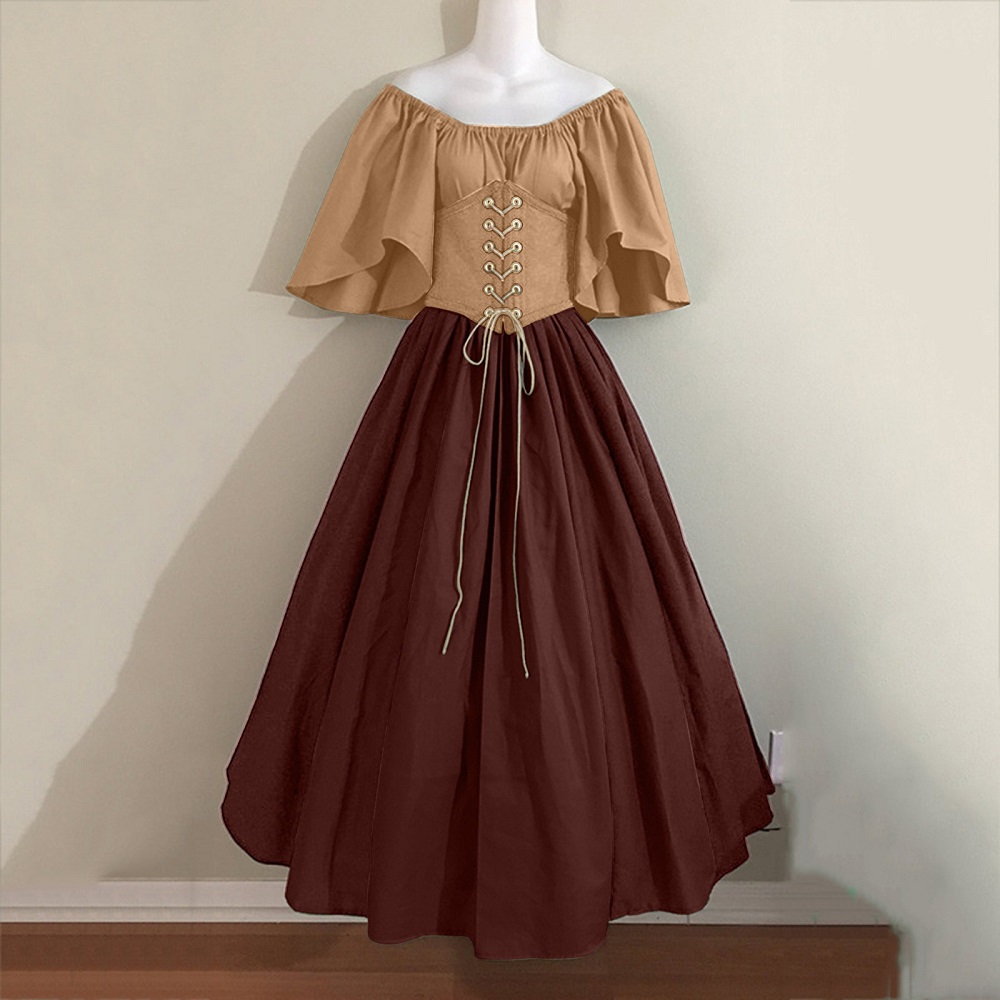
The outer layers add character to your look. Cloaks, capes, or robes were practical and stylish. Men wore doublets, jerkins, or vests for formality. Women donned bodices, often laced tightly, and layered them with overskirts.
4. Footwear
Shoes should match the historical theme. Leather boots are a great choice for men. Women should consider simple leather flats or slippers. Avoid modern-style footwear for an authentic look.
5. Accessories and Finishing Touches
Accessories complete the outfit. Belts, pouches, and daggers add practicality for most characters. Jewelry such as brooches, necklaces, or rings signifies status. Hats, feathers, and headdresses provide flair and historical relevance.
6. Hairstyles and Headwear
Hair often plays a role in your costume. Women might braid their hair or wear veils and flower crowns. Men can don simple hats or elaborate feathered styles, depending on their character.
By focusing on these elements, you can piece together the perfect renaissance fair costume. Each detail contributes to a more immersive experience, transporting you and others to a historical era.
Popular Costume Ideas for Men
Renaissance fair costumes for men offer a variety of styles that reflect historical roles and characters. Whether you are portraying royalty, a commoner, or a knight, there are exciting options to consider.
Nobleman Attire
Dress as a nobleman with luxurious fabrics and ornate designs. Choose velvet or silk doublets and brocade vests. Pair these with breeches or tights and leather boots. Add embroidered sashes or jeweled belts for a rich look. Top it off with an elaborate hat or feathered cap for authenticity.
Knight and Warrior Looks
Knights and warriors are popular choices for men. Wear armor-inspired clothing like chainmail shirts or faux leather chest plates. Add a cloak or surcoat with a heraldic design for a heroic image. Boots, gloves, and belts should match the rugged warrior theme. Carry a sword or shield as your defining accessory.
Peasant or Tradesman Styles
Men can opt for simpler attire representing peasants or tradesmen. Linen shirts paired with loose trousers or hose work well. Earthy colors like brown, green, or gray give a rustic appearance. Add aprons, simple hats, or leather pouches for practicality. A lightweight cloak adds warmth and extra authenticity.
Pirate and Outlaw Characters
Channel your inner pirate with a loose shirt and fitted jacket. Add breeches or wide-leg trousers with a leather belt. Boots and a bandana or tricorn hat complete the look. Consider props like swords, flint pistols, or treasure pouches.
Jester Ensembles
For something playful, dress as a jester. Choose bright colors like red, yellow, and blue. Jester costumes feature tunics embellished with bells or mismatched patterns. Add tights or leggings and colorful shoes. Finish with a hat featuring baubles or quirky shapes.
Whether noblemen, warriors, or jesters, each costume idea allows you to bring history to life. Let your chosen character guide your outfit details and accessories.
Popular Costume Ideas for Women
Renaissance fair costumes for women highlight elegance, tradition, and the roles of the era. Whether portraying a captivating queen or a humble peasant, there’s something for everyone.
Noblewoman Attire
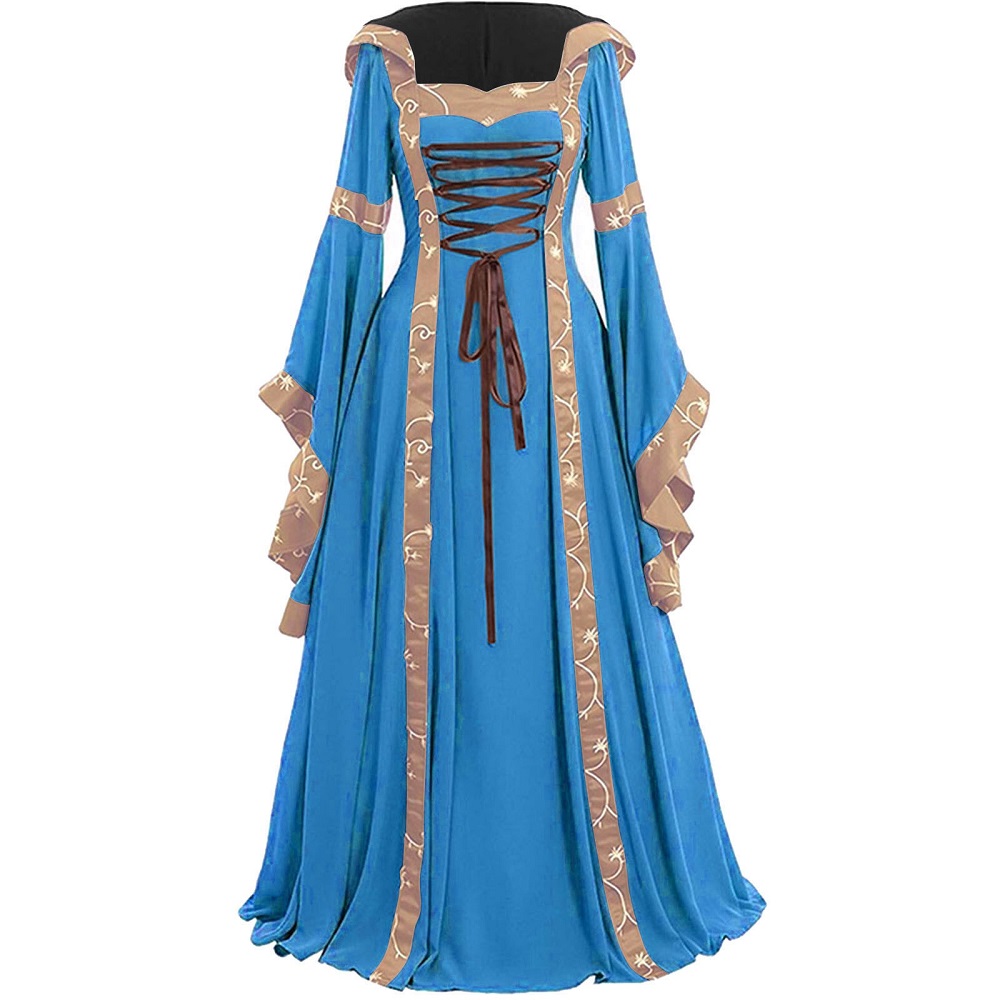
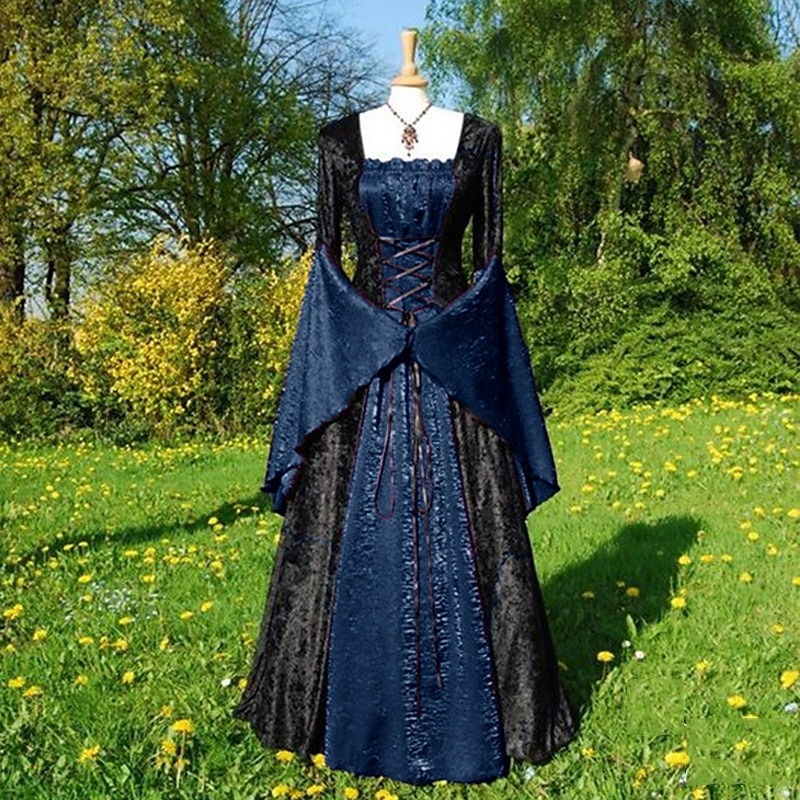
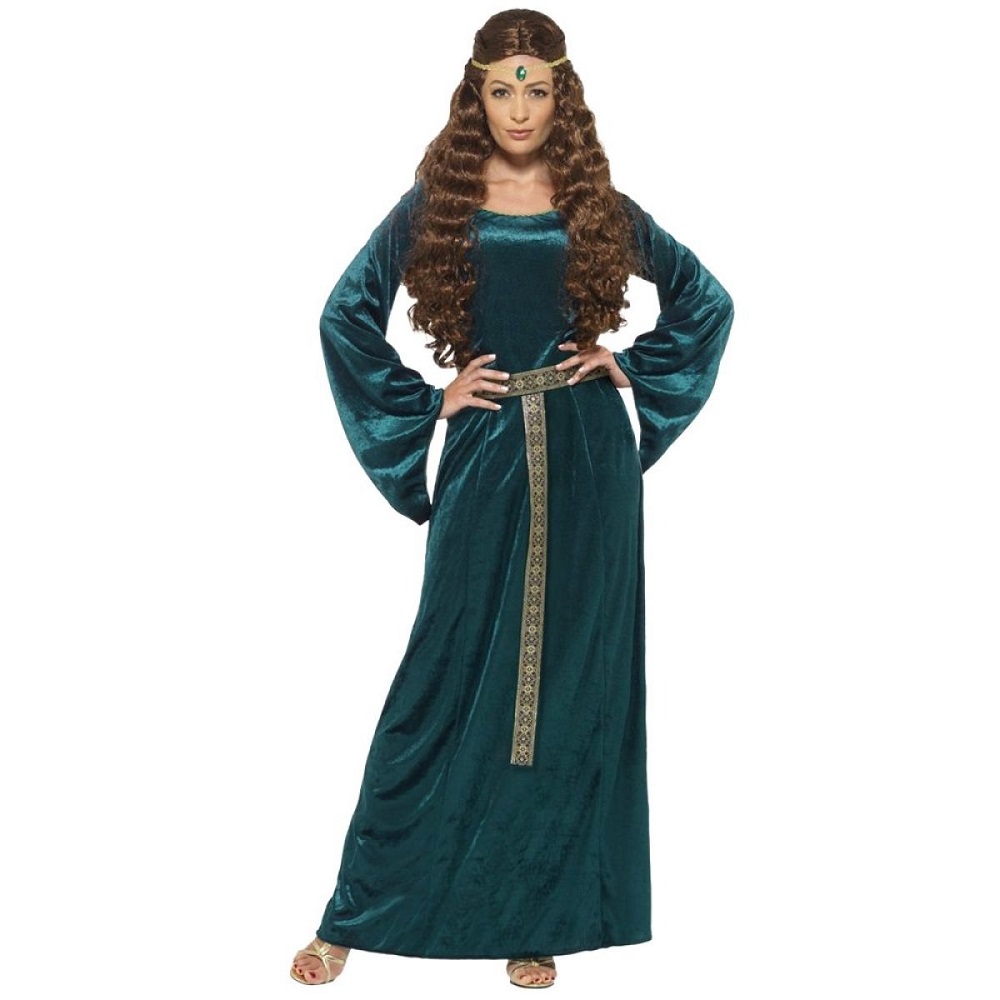
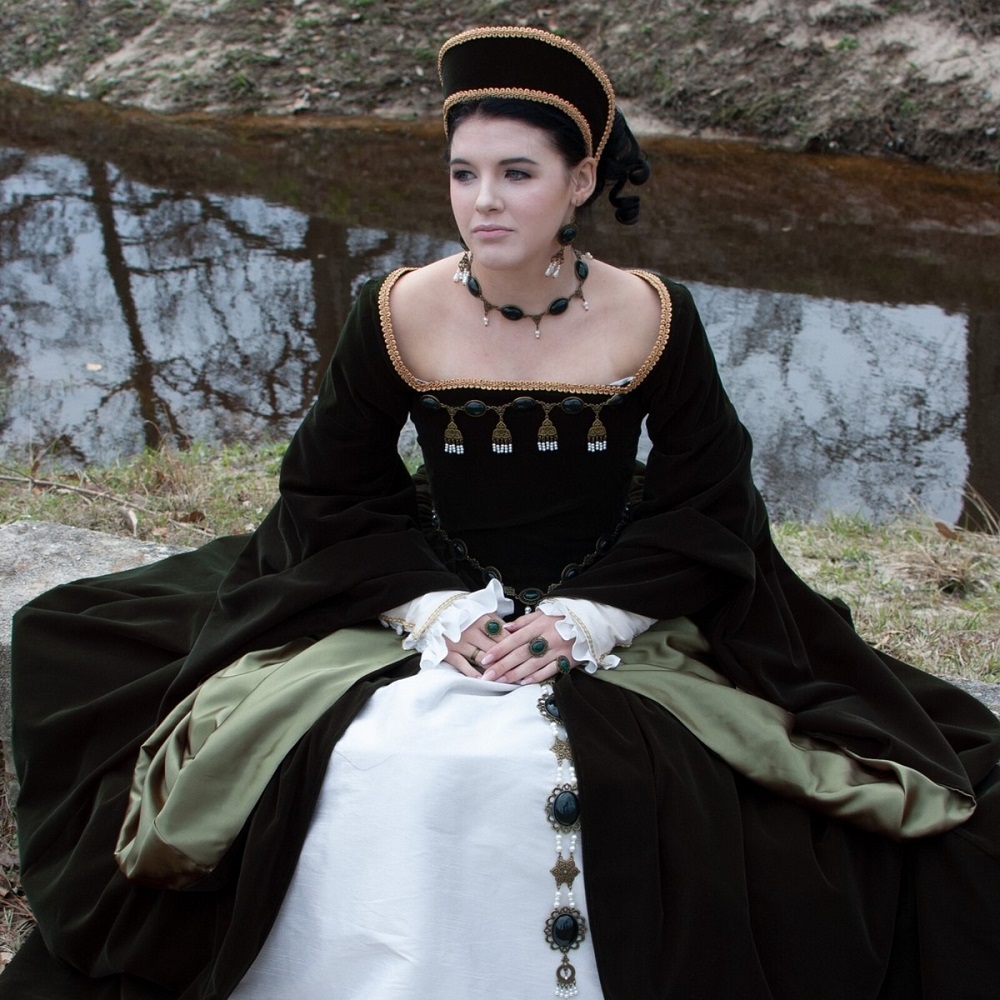
Opt for luxurious fabrics like velvet, silk, and brocade to create a regal look. Full-length gowns with intricate embroidery exude wealth and royalty. Pair with corsets to accentuate the figure and layered skirts for grandeur. Add a jeweled crown or a decorative headpiece for an opulent finish.
Peasant or Commoner Clothing
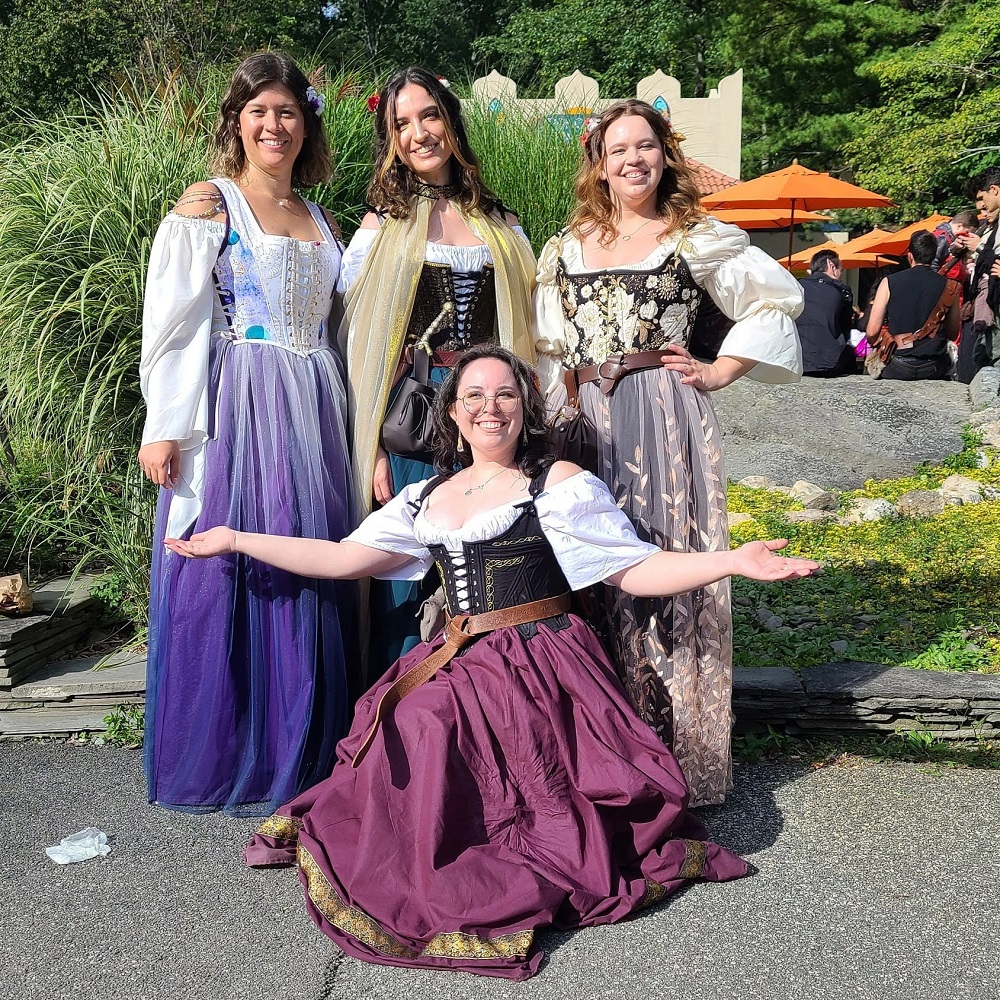
Simple yet charming peasant outfits are always popular at renaissance fairs. Long skirts in earthy colors like brown and green are ideal. Pair the skirts with loose linen blouses or bodices for authenticity. Aprons and scarves add practicality while maintaining the rustic theme.
Pirate and Rogue Styles
Channel your rebellious spirit with a striking pirate ensemble. Combine billowy blouses with sturdy waistcoats or long coats. Pair these with breeches or flowing skirts in darker tones. Add a bandana, tricorn hat, or gold jewelry for flair. A toy sword or compass complements the look.
Maiden or Woodland Characters
Flowing gowns in soft colors like cream, lavender, or blue evoke a mythical aura. Select lightweight fabrics for a graceful appearance. Add flower crowns or simple veils as headpieces. Include themed accessories like woven baskets or shawls for charm.
Warrior Women or Shieldmaidens
Powerful shieldmaiden costumes add a bold touch to any fair. Leather tunics or faux armor chest plates are ideal. Pair them with leggings or tights for flexibility. Belts and armbands with intricate designs enhance the warrior aesthetic. Carry props like swords or shields to complete the look.
Jester Costumes
Playful jester ensembles make you stand out at fairs. Choose bright tunics with bold patterns. Add tights or leggings in mismatched colors. Hats with bells or quirky shapes are essential. Complete the outfit with whimsical shoes.
Women’s renaissance costumes bring history to life with captivating designs. Select details that reflect your character’s era and personality, ensuring an authentic and enjoyable experience.
Accessorizing Your Renaissance Fair Outfit
Accessorizing enhances the authenticity and personality of your renaissance fair costume. The right accessories complete your look. They also help represent your chosen character or social status. Whether you’re a noble, peasant, or pirate, details matter.
Jewelry and Embellishments
- Noble characters: Opt for gold or silver necklaces, jeweled earrings, and ornate rings.
- Peasant roles: Stick to simple necklaces, beads, or leather bracelets for modesty.
- Pirates and rogues: Choose bold pendants, chunky gold earrings, or skull-themed jewelry.
Headwear
- Crowns or tiaras: For queens, kings, or royalty roles, add opulent crowns or headpieces.
- Hats: Feathered caps or wide-brim hats suit noblemen, while jester hats fit entertainers.
- Veils and flower crowns: Ideal for maidens and woodland characters, adding a soft, graceful touch.
Belts and Sashes
- Practical belts: Carry small items like pouches, knives, or coins.
- Decorative sashes: Nobility costumes benefit from embroidered or jeweled sashes.
- Warrior costumes: Opt for sturdy leather belts with metallic accents.
Props and Tools
- Swords or shields: Essential for knights, warriors, or pirate costumes.
- Musical instruments: Lutes, drums, or flutes lend a festive, authentic touch.
- Lanterns or baskets: Great for peasants, monks, or tradespeople.
Footwear
- Boots: Leather knee-high boots work for knights, pirates, and commoners.
- Simple flats: Peasants and maidens should wear plain, functional shoes.
- Special-themed shoes: Jesters often wear colorful, pointed footwear with bells.
Makeup and Hairstyles
- Noblewomen: Use light makeup, rosy cheeks, and styled curls.
- Jesters: Bold face paint and exaggerated features complement their bright costumes.
- Pirates: Include leather headbands or messy, rugged hairstyles.
Final Flair
Accessories make your renaissance fair costume unique. Be creative, but stay within historical themes.
- Mix and match items to enhance your outfit.
- Use accessories to reflect your character’s role and social class.
Thoughtfully chosen details will elevate your costume and complete your look. Let your accessories tell your story as you immerse yourself in the renaissance fair experience.
DIY vs. Buying Renaissance Costumes
When preparing for a renaissance fair, you’ll face this question: Should you make or buy your costume? Both options have their benefits and challenges, so your choice depends on time, budget, and skills.
DIY Renaissance Costumes
Creating your own costume can be a rewarding experience. Here are some advantages:
- Customization: DIY allows total control over design and details. You can create a unique look.
- Budget-Friendly: By choosing affordable fabrics and materials, you can save money.
- Creative Expression: Sewing or crafting lets you add personal touches and showcase your creativity.
- Learning Opportunity: Building a costume helps you learn about historical clothing and crafting techniques.
However, DIY costumes come with challenges:
- Time-Consuming: Designing and sewing can take several weeks or longer.
- Skill Level: If you’re new to sewing, it may be hard to perfect your costume.
- Material Costs: High-quality fabrics and tools can still add up, potentially increasing costs.
Buying Renaissance Costumes
If crafting isn’t your strength or you’re short on time, consider buying a costume. Here are the benefits:
- Convenience: Ready-made outfits save time and effort.
- Professional Looks: Purchased costumes are often highly detailed and professionally sewn.
- Variety: Many online and local stores offer costumes in all styles and sizes.
Nonetheless, buying has drawbacks to consider:
- Higher Costs: Well-made costumes, especially for noble or warrior characters, can be expensive.
- Limited Customization: The design or fit may not match your character perfectly.
- Quality Variance: Cheaper costumes might use low-quality materials or lack authenticity.
Which Option Suits You?
If you have crafting skills and time, DIY is an excellent and cost-effective choice. It’s perfect for personalized designs and historical accuracy. On the other hand, buying costumes is ideal for those on tight schedules or lacking sewing expertise.
Find the balance that works for your needs. Consider blending approaches, like buying basic clothing and adding DIY accessories. Whether crafted or purchased, focus on creating a costume that helps immerse you in the renaissance fair experience.
Tips for Staying Comfortable in Your Costume
Dressing for a renaissance fair is exciting, but comfort is key to enjoying the event. Long hours of walking, standing, and interacting with others can become tiresome. Here are some tips to ensure you stay comfortable in your renaissance fair costume:
Choose Lightweight Fabrics
- Select breathable materials like linen or cotton for underlayers.
- Avoid heavy fabrics unless you are portraying royalty or knights.
- Ensure fabrics don’t irritate the skin or cause overheating.
Proper Fitting and Mobility
- Make sure costumes allow free movement without being too tight.
- Avoid overly long robes or skirts that may hinder walking.
- Tailor costumes to fit properly, offering both style and comfort.
Wear Comfortable Footwear
- Opt for practical shoes that fit the renaissance theme.
- Choose leather boots or simple flats with good support.
- Break in new footwear to prevent blisters during the event.
Layer Strategically
- Dress in layers to adapt to changing weather.
- Wear removable outer garments like cloaks or capes for warmth.
- Pick lightweight undergarments to stay cool and dry.
Pack Essential Accessories
- Use belts and pouches to carry items like water bottles or personal items.
- Carry makeup for touch-ups, especially if wearing face paint.
- Include a fan or water spray to deal with heat.
Hydration and Nutrition
- Drink plenty of water to stay hydrated during the fair.
- Avoid costumes that restrict you from carrying essentials like snacks.
- Take breaks to eat and rest if needed.
Avoid Overdoing Accessories
- Limit heavy or elaborate jewelry that may become uncomfortable.
- Keep props reasonable in size; avoid bulk or excessive weight.
- Ensure hats and headpieces fit securely without causing headaches.
Test Your Costume First
- Wear your costume at home to check for potential discomfort.
- Walk, bend, and sit in the costume to test mobility.
- Adjust tight or restrictive areas before attending the event.
Prioritize comfort without sacrificing authenticity. A well-prepared costume ensures an enjoyable renaissance fair experience.
Where to Buy or Rent Renaissance Fair Costume
Finding the perfect renaissance fair costumes can improve your experience. Whether you prefer buying or renting, there are several options to explore.
Buying Costumes
- Local Costume Shops:Visit local stores specializing in costume or theatrical wear for authentic outfits.
- Online Retailers:Websites offer a wide range of styles, from royalty to peasants. Check reviews for quality.
- Specialty Stores:Explore brands dedicated to historical and renaissance clothing for highly detailed designs.
- Craft Fairs:Many craft fairs sell handmade costumes. Look for stalls with unique and artisan work.
- Second-Hand Stores:Thrift shops may have affordable vintage pieces that resemble renaissance attire.
Renting Costumes
- Costume Rental Services:Rentals allow you to explore a variety of styles for less commitment.
- Event-Specific Rentals:Some fairs offer rentals on-site to help you dress up quickly.
- Theater Warehouses:Check local theater groups. They often rent costumes at reasonable prices.
- Online Rental Platforms:Use services that specialize in renting thematic costumes.
Tips for Choosing Where to Shop
- Compare Costs: Decide between buying or renting based on your budget.
- Check Quality: Ensure fabrics, stitching, and accessories meet your preferences.
- Availability: Confirm choices ahead of time for the best options.
- Read Reviews: Learn customer experiences for online stores and rental sites.
- Buy Early: Ordering online can take time for delivery or alterations.
Combining Both Options
To save money, balance buying and renting. Purchase versatile basics and rent specialty features like armor or luxurious accessories.
From renting simple outfits to buying elaborate costumes, explore all sources to find your ideal look for the renaissance fair. Whichever path you choose, aim for authenticity to enrich your experience!