Introduction to Medieval Costumes
The Allure of the Medieval Era
The medieval period, often referred to as the Middle Ages, spans roughly from the 5th to the late 15th century. This era was marked by significant social, political, and cultural changes that shaped the course of European history. Among these changes, fashion played a crucial role in expressing identity, class, and status. Medieval costumes offer a fascinating glimpse into the lives of people in that time, revealing how clothing reflected the values and norms of the society.
Clothing as a Reflection of Society
Clothing in the medieval era was not merely a means of protection against the elements. It was a powerful symbol of wealth, occupation, and social standing. Fabrics, colors, and styles distinguished nobility from the peasant class. For instance, vibrant colors and luxurious materials such as silk were reserved for the wealthy. In contrast, common folk typically wore rougher fabrics in subdued colors. The choices of clothing told stories about the individuals and the society they belonged to.
Purpose of This Article
This article aims to explore the rich tapestry of medieval fashion by delving into the various styles of costumes from that era. We will cover the influences on medieval clothing, the various types of costumes worn by different social classes, and the significance of accessories in completing an outfit. By the end of this guide, readers will gain a deeper appreciation for the intricate world of medieval fashion.
Influences on Medieval Fashion
Cultural Exchanges
The medieval period saw significant cultural exchanges due to trade and conquest. The Silk Road facilitated the movement of not just goods but also ideas, styles, and fashion across continents. The influence of Eastern cultures on Western fashion can be seen in the adoption of luxurious fabrics and intricate designs. Such exchanges enriched medieval fashion, adding layers of diversity and complexity.
The Role of Religion
Religion played a vital role in daily life during the medieval era, and it significantly influenced fashion. The church dictated many aspects of life, including clothing. Monks and nuns wore simple garments that often reflected their devotion. Meanwhile, religious icons and symbols became prevalent in clothing for the laity, promoting spirituality and piety. Ecclesiastical clothing, with its elaborate designs, showcased the wealth and power of the church.
Social Status and Class Structure
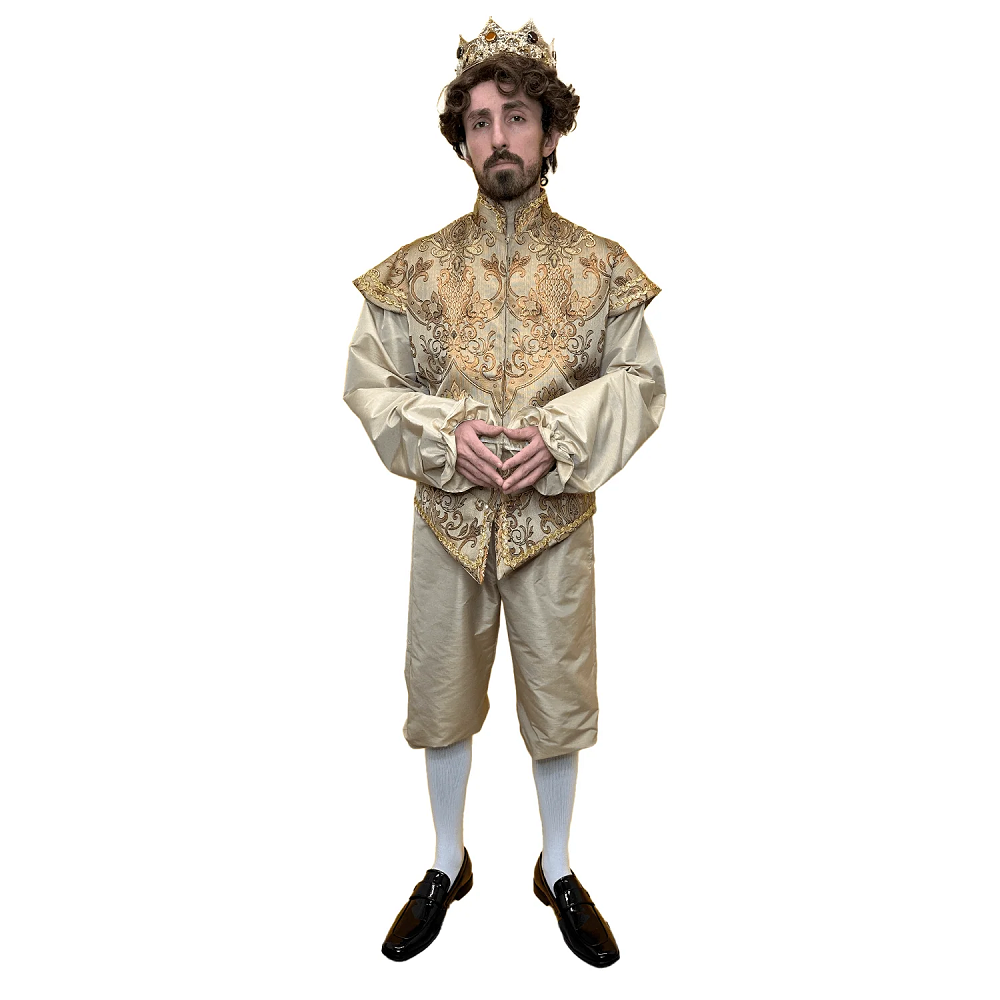
Social hierarchy was a dominant feature of medieval society, influencing fashion choices. Nobles and royalty adorned themselves in elaborate garments to display their wealth. Rich materials, intricate embroidery, and furs were common among the upper class. In contrast, peasants wore practical clothing suited for their labor-intensive lifestyles. The stark differences in clothing between classes were meant to reinforce social hierarchies and demonstrate one’s status.
Types of Medieval Costumes
Noble Attire
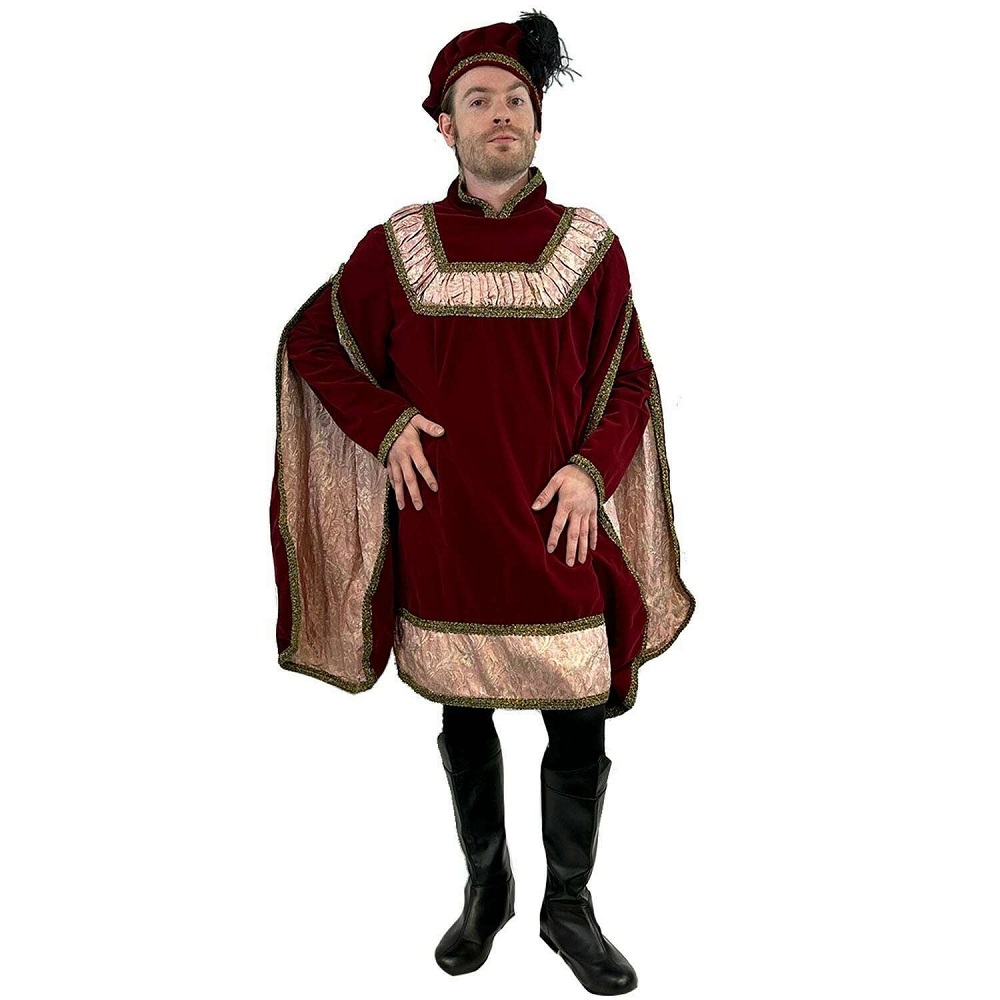
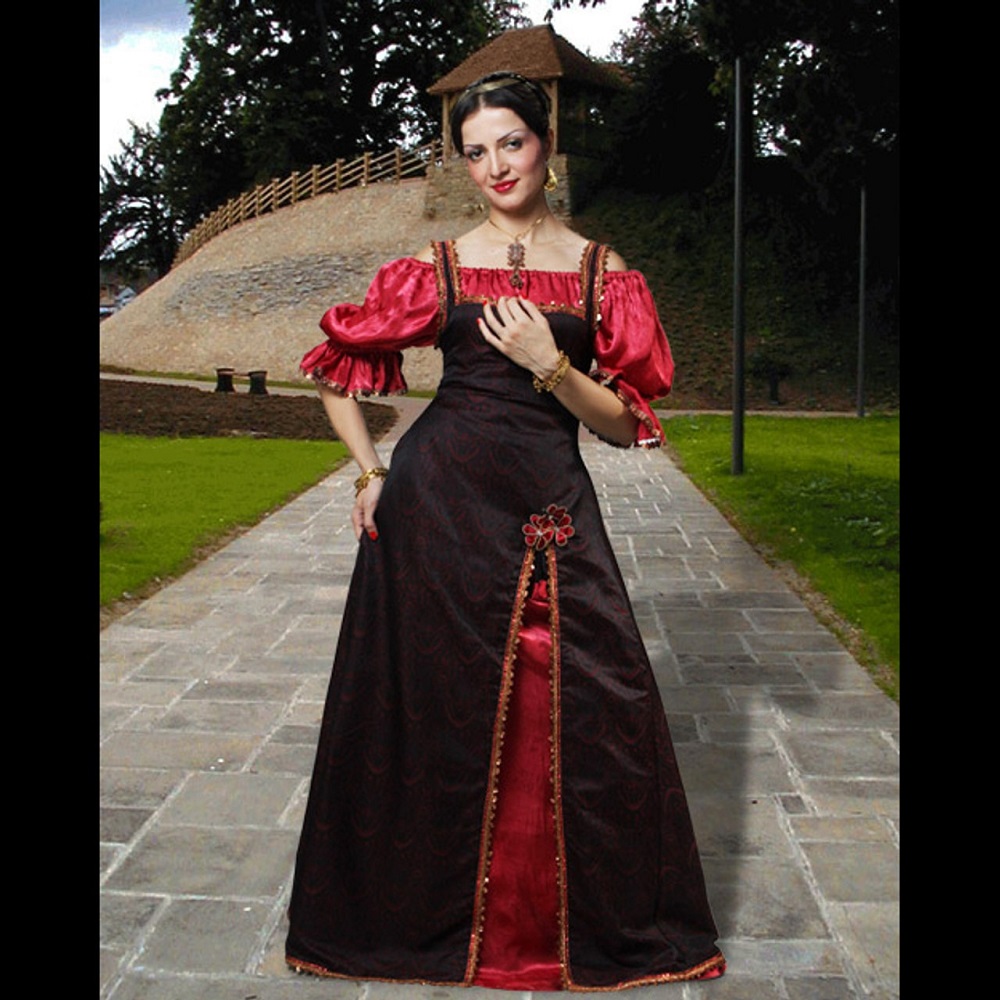
Noble attire was characterized by luxurious fabrics and intricate designs. Wealthy individuals often wore long tunics made of silk or brocade, adorned with embroidery and jewels. The use of fur trim was common, showcasing status and refinement. These outfits were complemented by distinctive accessories, including gold jewelry, belts, and ornate shoes. Noble attire not only highlighted wealth but also indicated one’s position within the feudal system.
Peasant Clothing
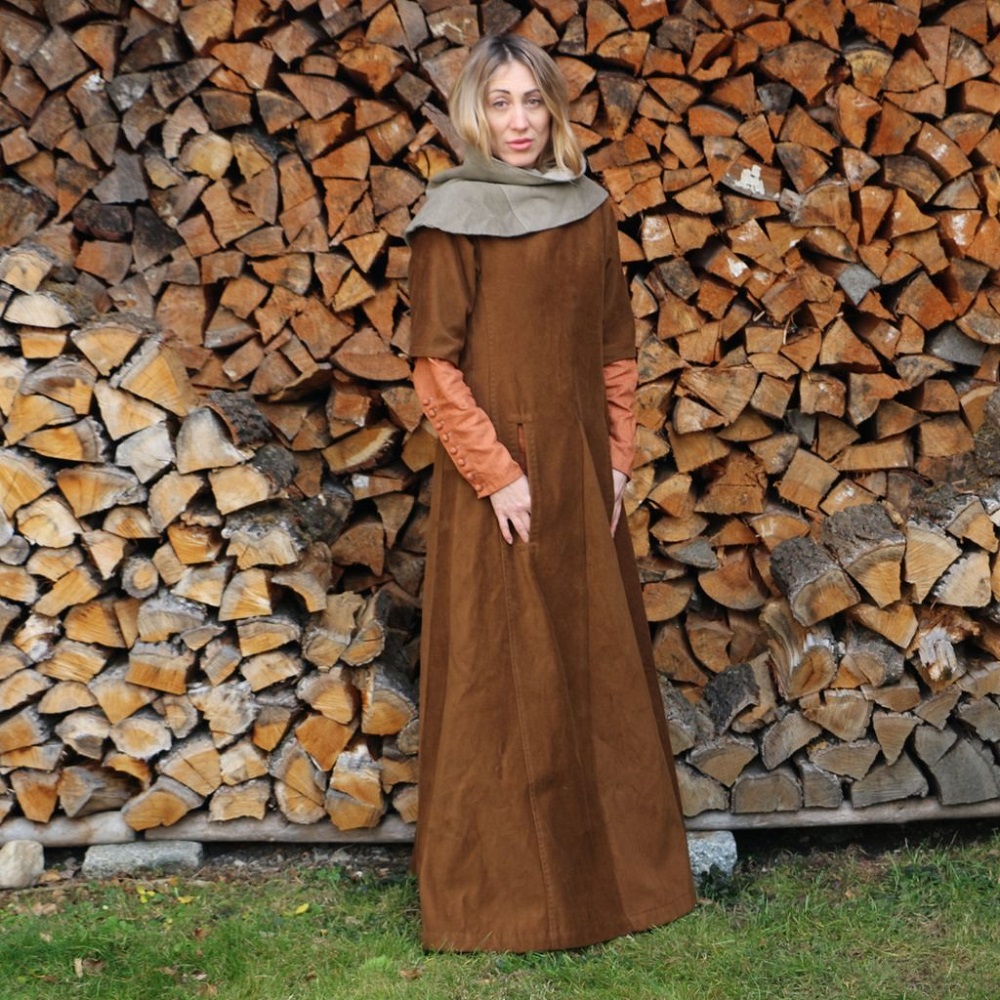
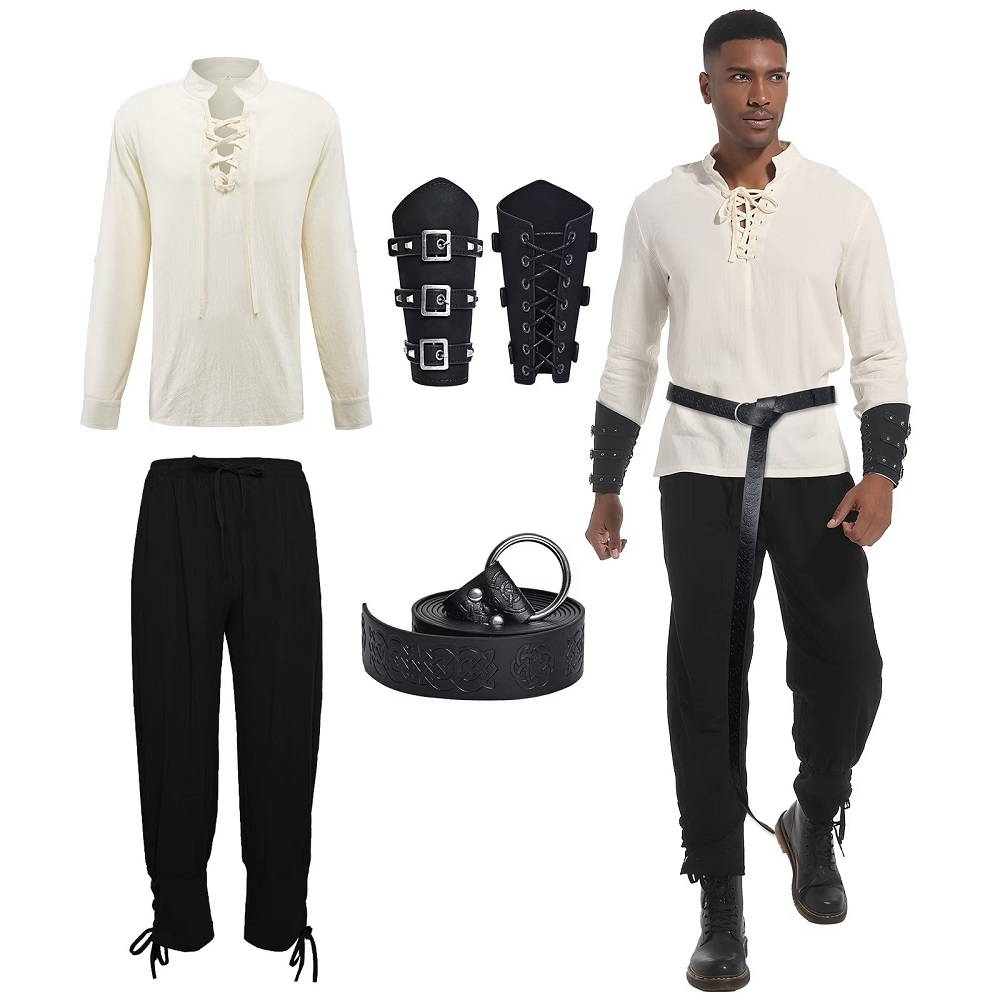
Peasant clothing was functional and practical, reflecting the lifestyle of the working class. Made from coarse wool or linen, these garments were designed for durability and comfort. Men wore short tunics paired with simple trousers, while women typically donned long dresses with aprons. The colors were often muted, resulting from the natural dyes available. Despite the simplicity, peasant attire had its own charm, showcasing the resilience of everyday life.
Military Uniforms
Military attire also played a critical role during the medieval era. Armor was an essential component of a soldier’s outfit, providing protection in battles. Chainmail and plate armor became symbols of strength and valor. In addition to armor, soldiers wore tunics featuring their lord’s colors or heraldry. This display of loyalty was important in a time when warfare was prevalent. The style of military attire evolved throughout the medieval period, leading to innovations that influenced later designs.
Accessories in Medieval Fashion
Headgear and Hats
Headgear was an important aspect of medieval fashion for both men and women. Nobles often wore elaborate hats adorned with jewels and feathers. These hats not only served a decorative purpose but also indicated social standing. In contrast, peasants wore simple caps or hoods that provided warmth. Women frequently embellished their hairstyles with ribbons, veils, or headdresses that reflected local customs. Headgear served as a cultural identifier, signifying both status and regional influence.
Footwear Styles
Footwear during the medieval period varied significantly based on class and occasion. Nobility often wore shoes made from fine materials, complete with ornate decorations. Pointed shoes called “poulaines” became trendy during the later medieval era, elongating the toe to a distinctive point. Common folk wore functional shoes made from rough leather or fabric that could endure daily labor. The diversity in footwear styles illustrates the social stratification of the time.
Belts and Sashes
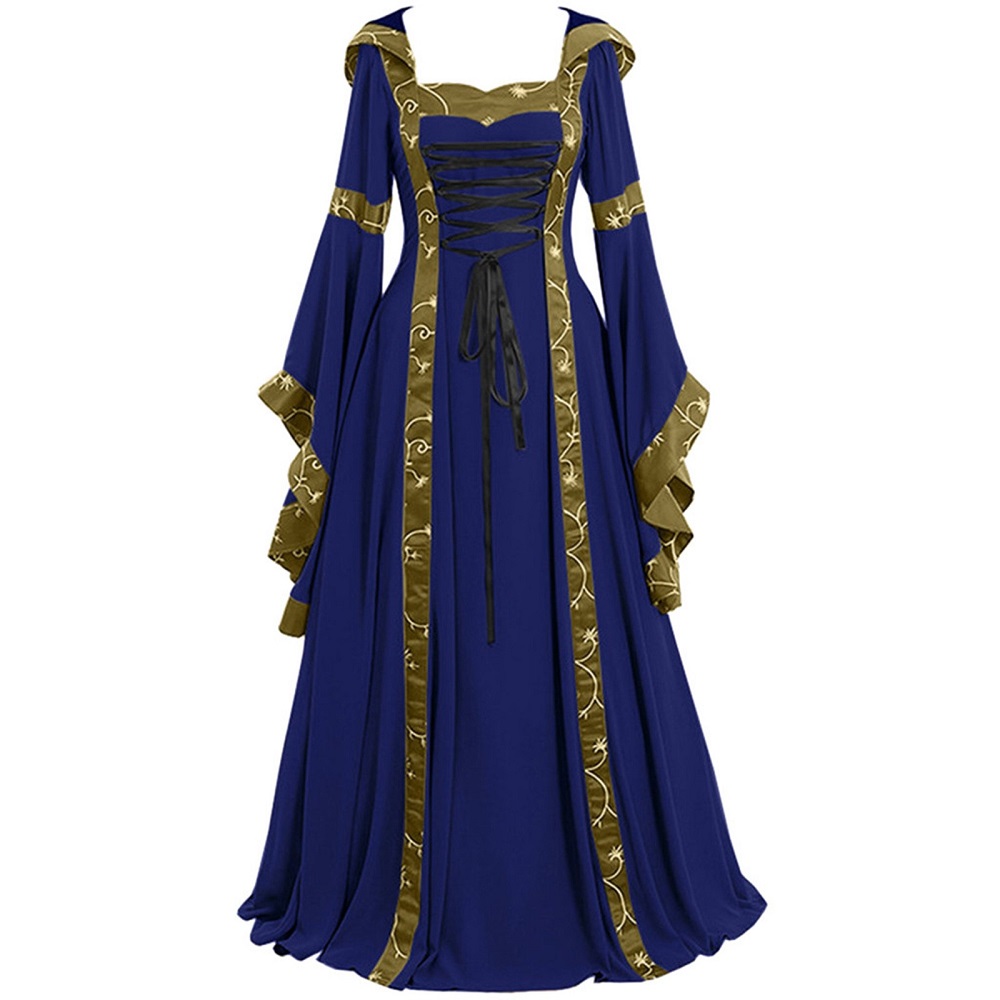
Belts and sashes were vital accessories in medieval clothing. They served both functional and decorative purposes. A belt could help support a sword or other weapon for those of higher status. Nobles often wore intricately designed belts that displayed their wealth. For women, sashes could cinch garments at the waist, enhancing their silhouette. These accessories contributed to the overall aesthetic of outfits and helped define the wearer’s figure.
Importance of Materials
Natural Fibers
Natural fibers played a critical role in medieval clothing. Wool, linen, and silk were the most commonly used materials. Wool was widely available and practical for colder climates, providing warmth and durability. Linen, made from the flax plant, was lightweight and breathable, ideal for warmer seasons. Silk, often imported through trade, was a luxury item reserved for the wealthy, showcasing the artistry of medieval textile production.
Dyeing Techniques
The color of medieval clothing had social implications. The dyeing techniques used during this period greatly influenced the vibrancy and variety of colors available. Natural dyes from plants, insects, and minerals were commonly used. Recipes for dyes were passed down through generations, creating vivid hues that defined regional styles. The skill of dyeing allowed for beautiful variations in clothing, reflecting both creativity and cultural significance.
Embroidery and Decoration
Embroidery was a popular form of decoration in medieval fashion. Skilled artisans added elaborate designs to garments using threads of various colors. These embellishments could include floral patterns, animals, or symbols representing loyalty or faith. The more intricate the embroidery, the higher the status of the wearer. Embroidered garments often became family heirlooms, cherished for their craftsmanship and beauty.
Cultural Implications of Fashion
Fashion as Status Symbol
Fashion in the medieval period was an essential indicator of social status. The wealthier classes could afford more elaborate and extravagant clothing than the common folk. The visibility of one’s wealth through attire demonstrated power and influence within society. It was not only about personal style but also a reflection of external societal norms.
Dressing for Different Occasions
Different occasions required different attire in medieval culture. Formal events, such as feasts or religious ceremonies, necessitated more elaborate clothing. Holidays and festivals allowed for the showcasing of vibrant colors and custom garments. Everyday attire was often more practical, reflecting the wearer’s daily responsibilities. The shift in clothing styles based on events showcases the important role of social customs in determining fashion.
Regional Influences on Style
Regional variations had a significant impact on the styles of medieval clothing. Different areas had unique climate conditions, affecting materials and styles used. For instance, northern regions might favor heavier fabrics, while warmer areas would use lighter ones. Cultural influences also shaped design choices, leading to a rich tapestry of styles across Europe. The diversity in medieval fashion reflects the complexities of societal interactions.
Conclusion: The Everlasting Impact of Medieval Costumes
A Reflection of History
In conclusion, medieval costumes reveal much about the society of the time. They reflect social structures, cultural values, and technological advances in textile production. Each garment tells a story, providing insights into the lives of those who wore them. Understanding the intricacies of medieval fashion enhances our appreciation for this historical period.
Continuing Influence on Modern Fashion
The impact of medieval styles can still be felt in contemporary fashion. Modern designers often draw inspiration from the past, incorporating elements of medieval aesthetics into their collections. The use of rich colors, luxurious fabrics, and elaborate designs continues to influence current trends. Acknowledging this timeless influence allows today’s fashion enthusiasts to appreciate the roots of their style.
Embracing the Rich Tapestry of Fashion
Exploring the rich tapestry of medieval fashion encourages individuals to embrace the stories and traditions that inform modern styles. As we consider our clothing choices, we can connect to the past and celebrate its influence on our current lives. From aesthetic appreciation to cultural understanding, the legacy of medieval costumes remains alive. Whether it is through historical reenactments, fashion shows, or everyday wear, embracing these rich traditions continues to shape our world today.